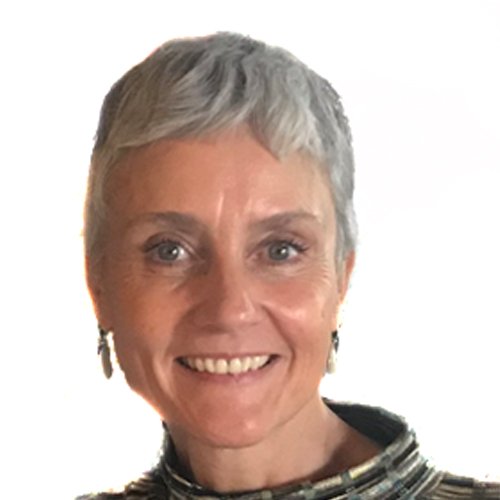
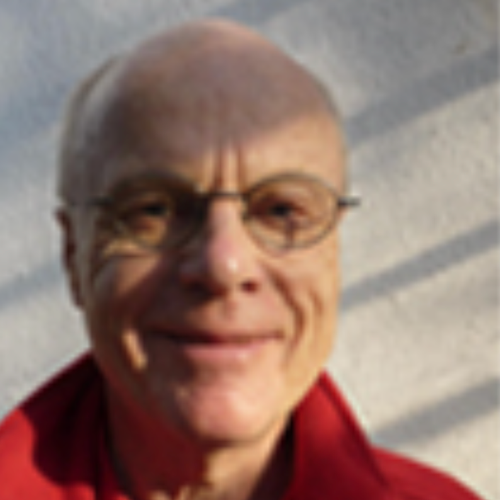
Susan Henning

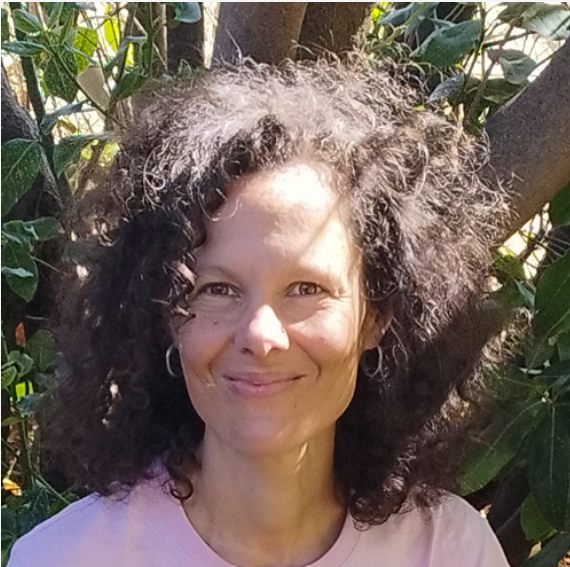
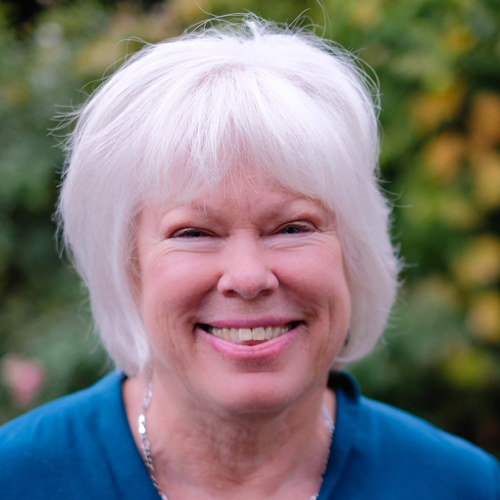
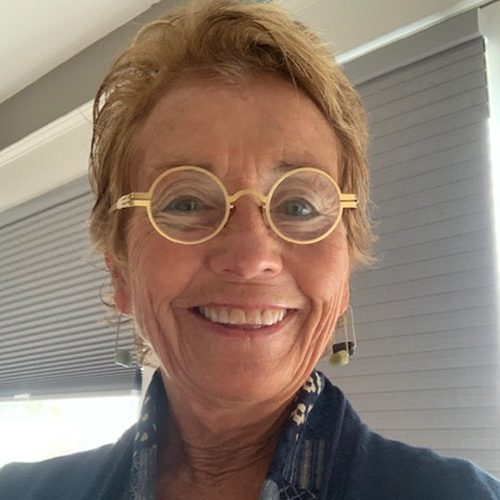
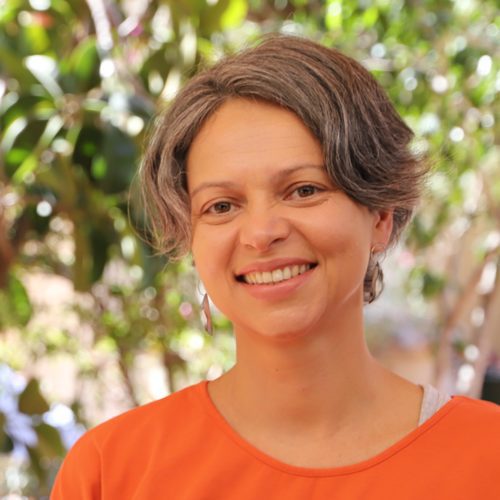
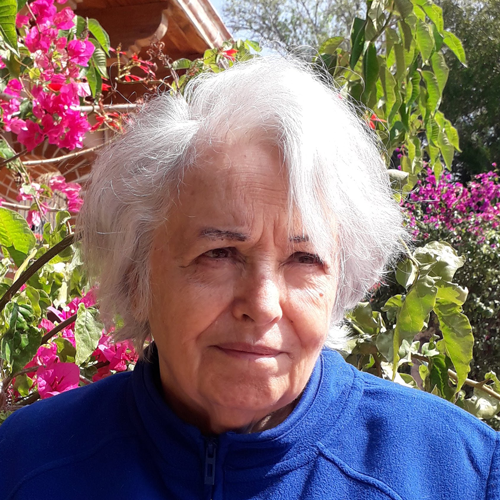
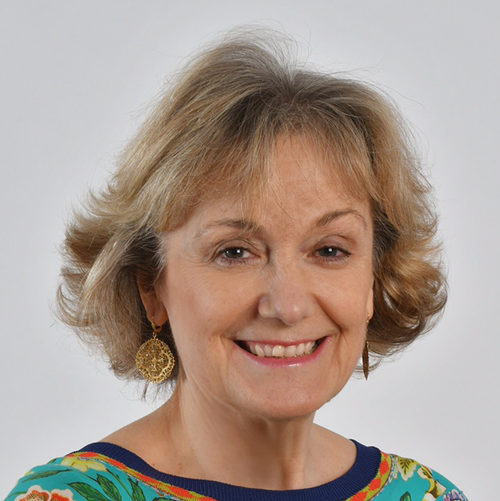
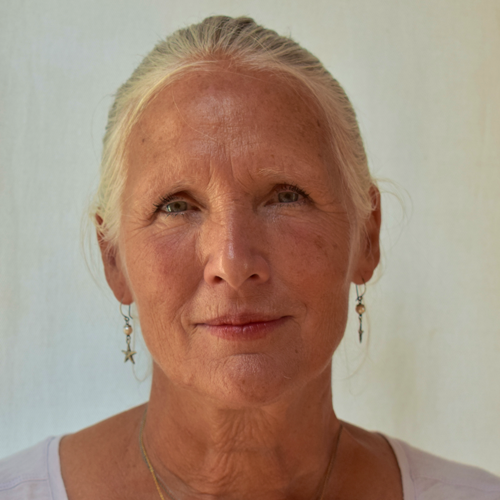
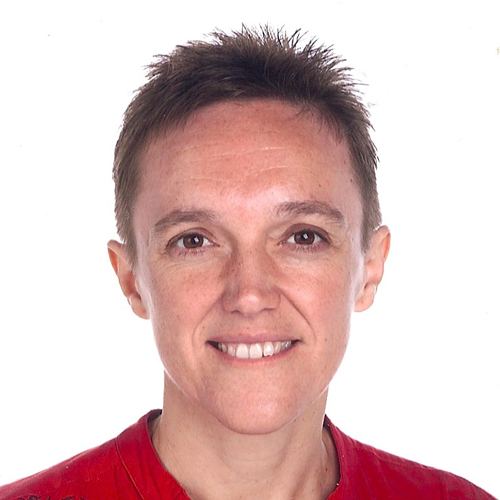
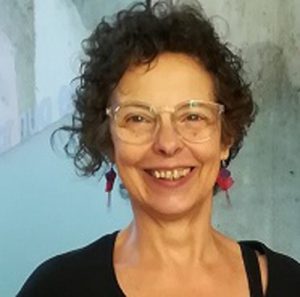
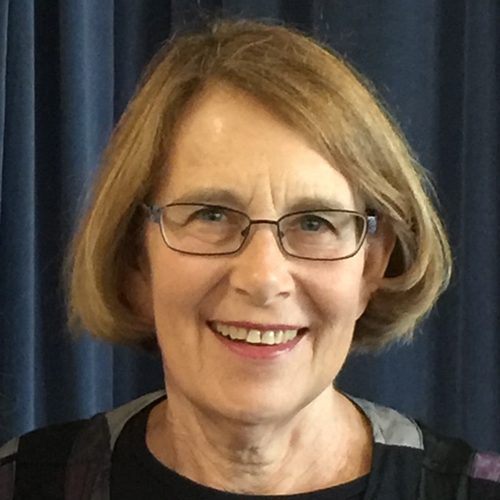
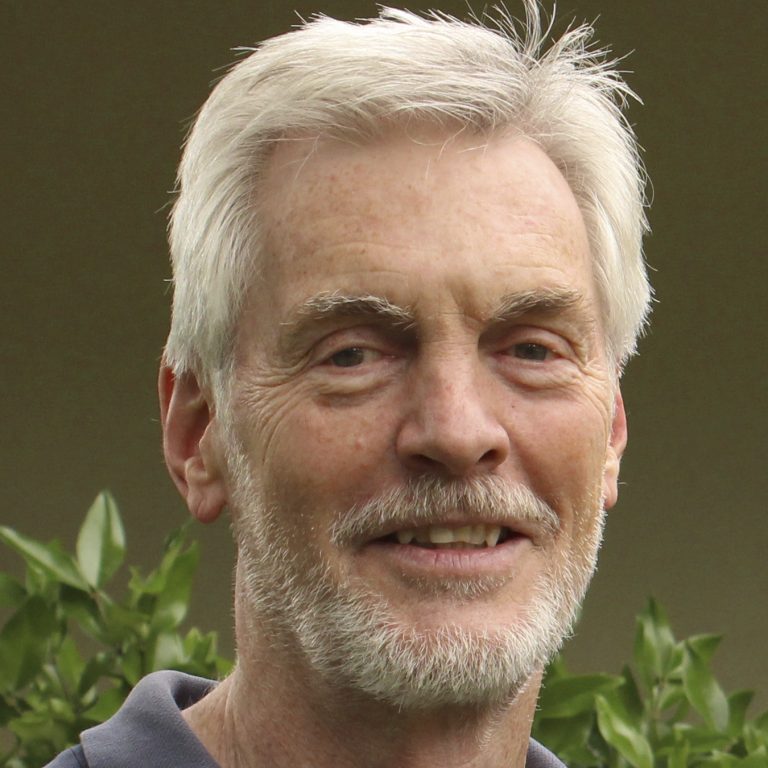
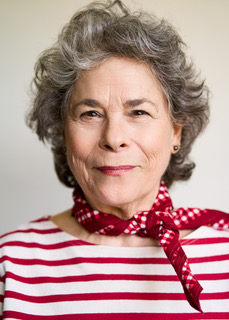
Portrait of Susan Henning

My first workshop with Charlotte Selver and Charles Brooks was in 1970. I felt this was the true beginning of my life – my embodied life. I explored spiritual traditions and worldly occupations until I settled into the profession of Physical Therapy. My work took a quantum leap forward when I encountered the Postural Restoration work of Ron Hruska in 2002. This tri-planar, asymmetrical understanding of wholistic human function reorganized and integrated the respiratory and neurological drivers of our experience of bodies. Sensing and breath have become key components of rebalancing systems.

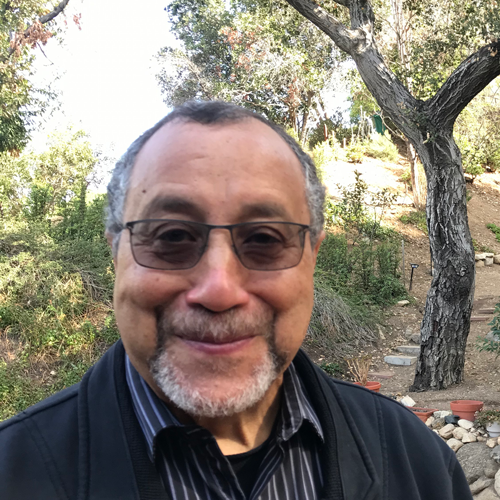
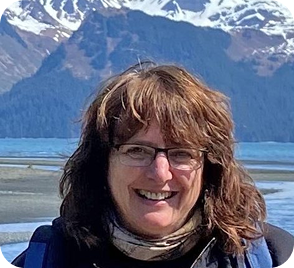
Sara Bragin

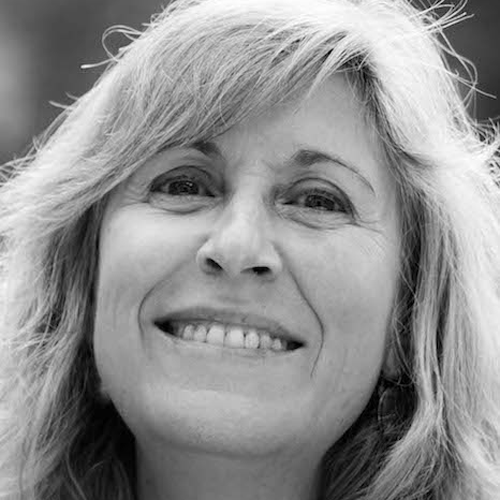
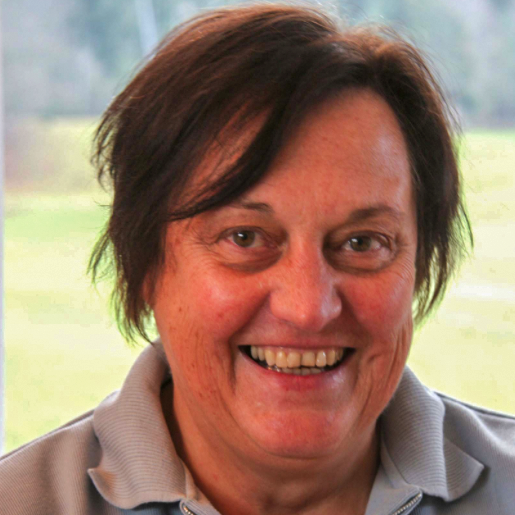
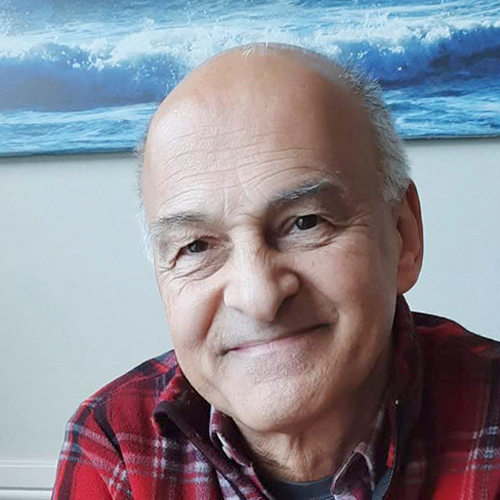
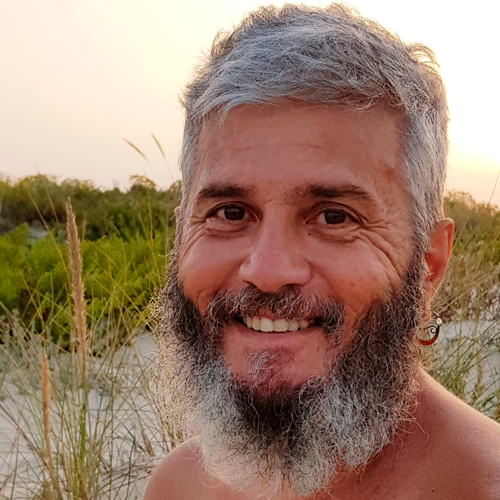
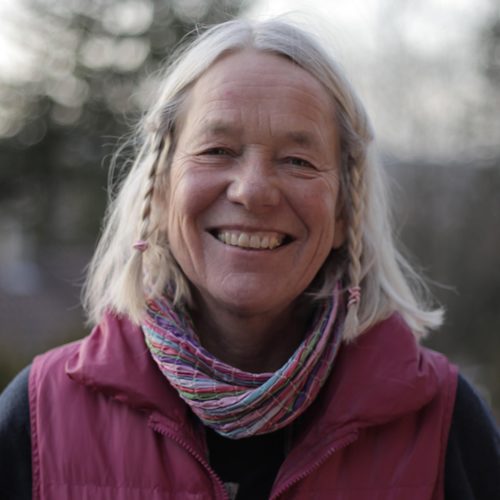
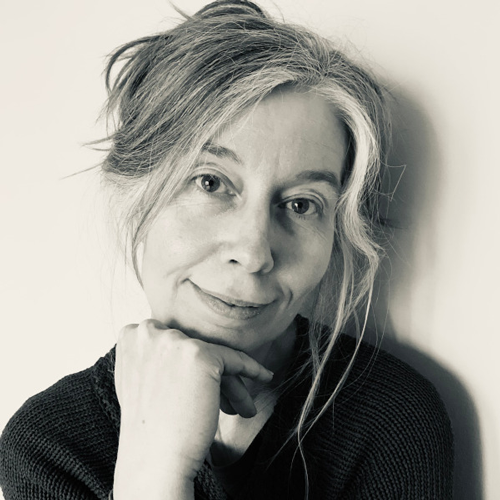
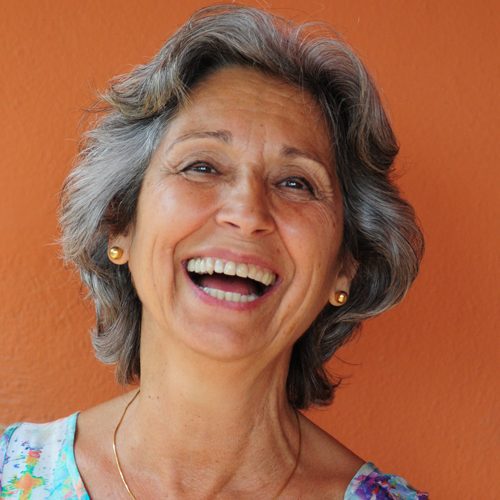
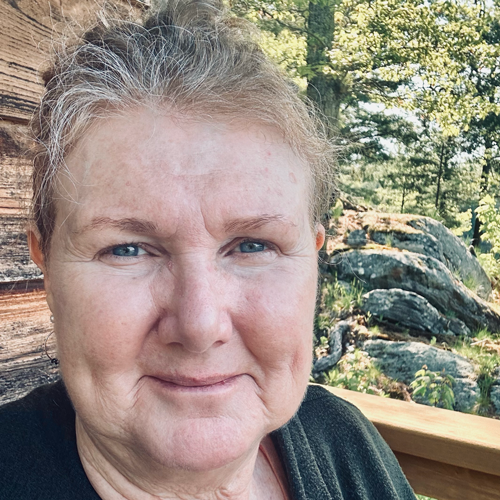
Portrait of Sara-Bragin

My journey to Sensory Awareness began the moment I was born and promised never to lose the gift of being fully alive. Life happened, living became life and four decades passed before I would meet Charlotte Selver. I wanted the vitality I saw in her. She was 91. I followed her everywhere. After she died, I joined a study group with Lee Lesser, which led to my becoming a leader. Committed to passing on the beauty of living aware, I work with writers, individuals and small groups. Ray Fowler insists that my memoir, The Living In Her Dying, is packed with sensing.+

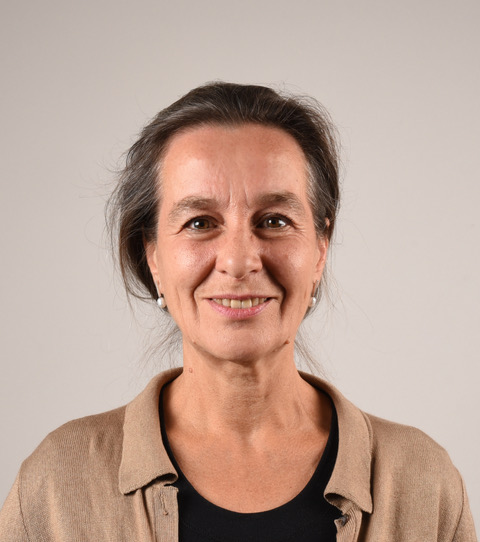
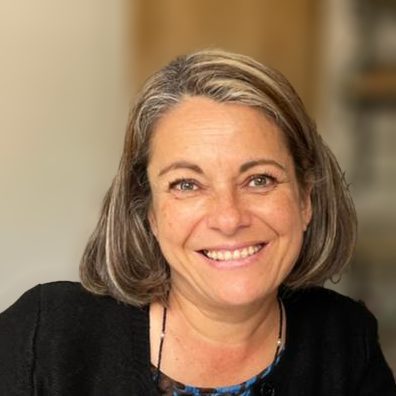
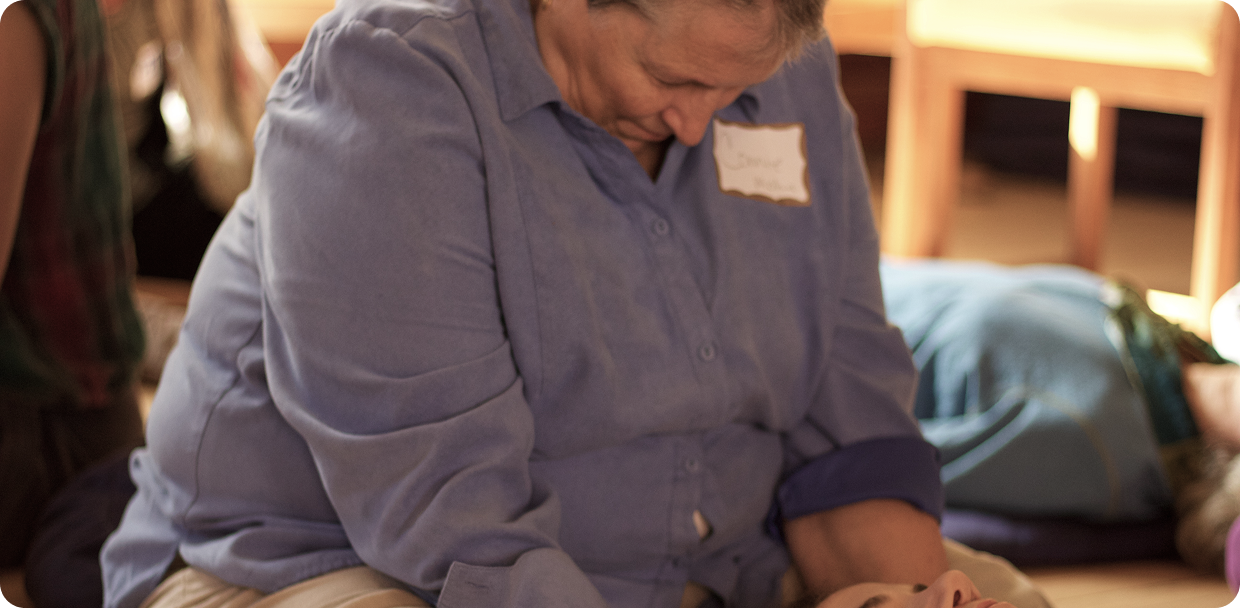
Julie Esterly

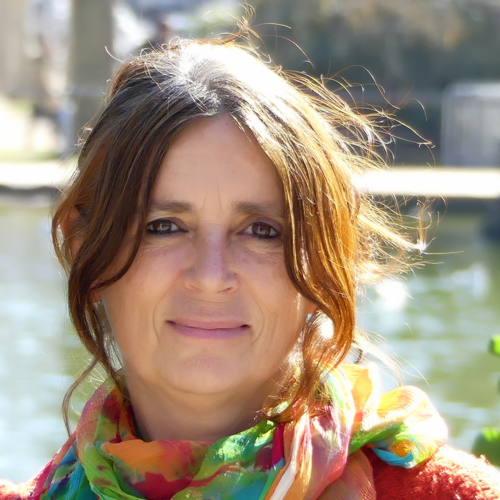
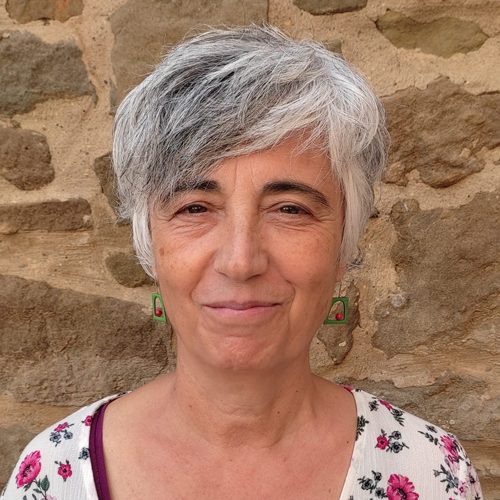
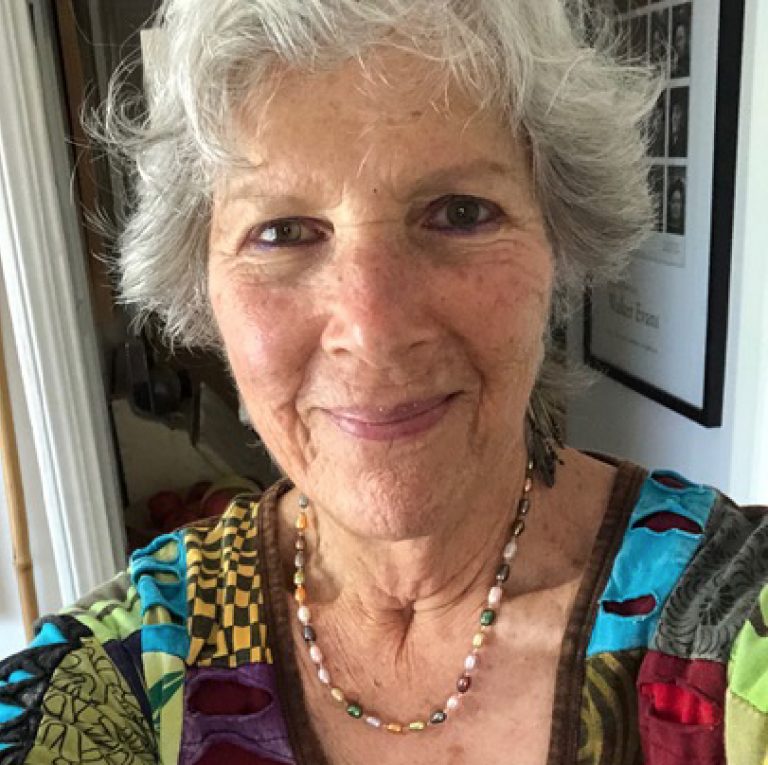
Portrait of Julie Jilani Esterly, Sufi teacher and spiritual guide

Julie Jilani Esterly weaves the awakening of Sensory Awareness into her teaching, healing work and daily life. She began studying Sensing with Charlotte Selver in 1982. Her root lineage is the heart centered Sufi Ruhaniat International, which she serves as a senior teacher and Cherag (minister). She co-founded the Natural Deathcare Initiative in 2018 to encourage compassionate, equitable, and environmentally sound end-of-life practices

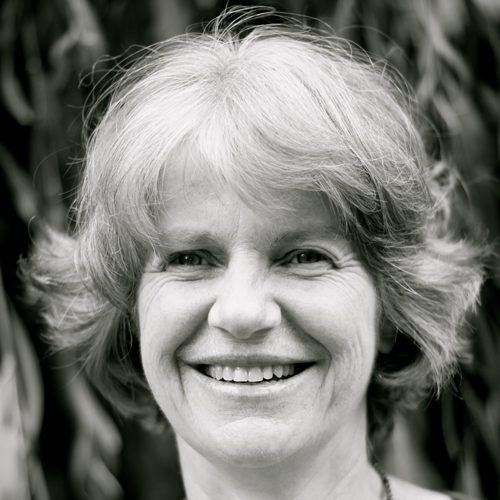
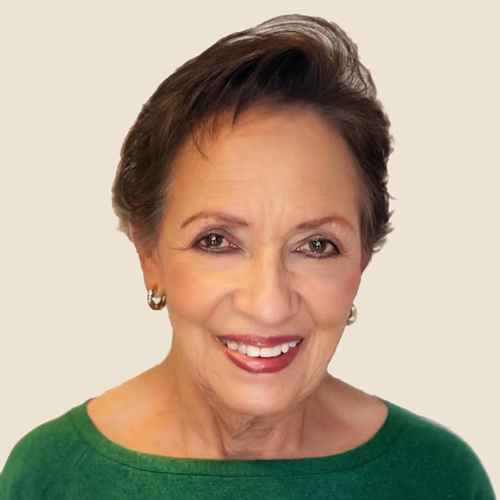
Lee Klinger Lesser

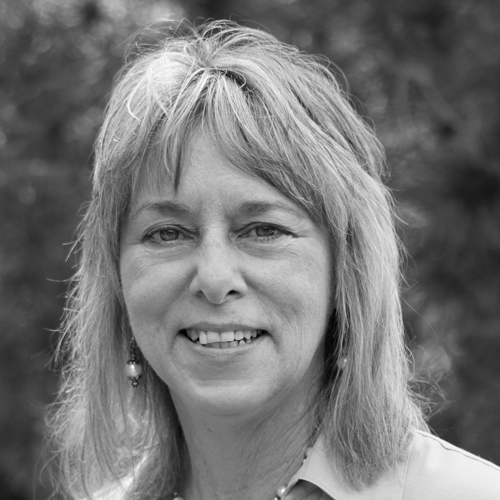
Photo of Lee Klinger Lesser

Lee Klinger Lesser has been sharing the practice of Sensory Awareness in English and Spanish for fifty years. Her teaching and facilitation extend to diverse and often demanding contexts, including trainings for wildland firefighters, retreats for climate activists, and long-term work with military veterans. Her work is based on a deep respect for our inherent connection with nature, the resilience of the human spirit, and the power of community. Lee lived at the San Francisco Zen Center from 1978 to 1983, and Zen practice has continued to inform and enrich her life. She is the author of the book Return to Our Senses: A Path to Stability in an Unstable World.
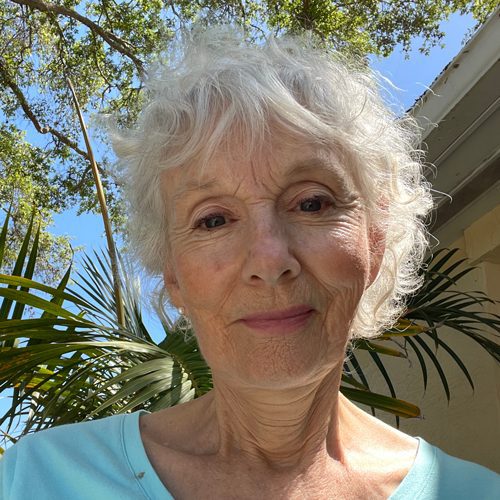
Cathy Edgett

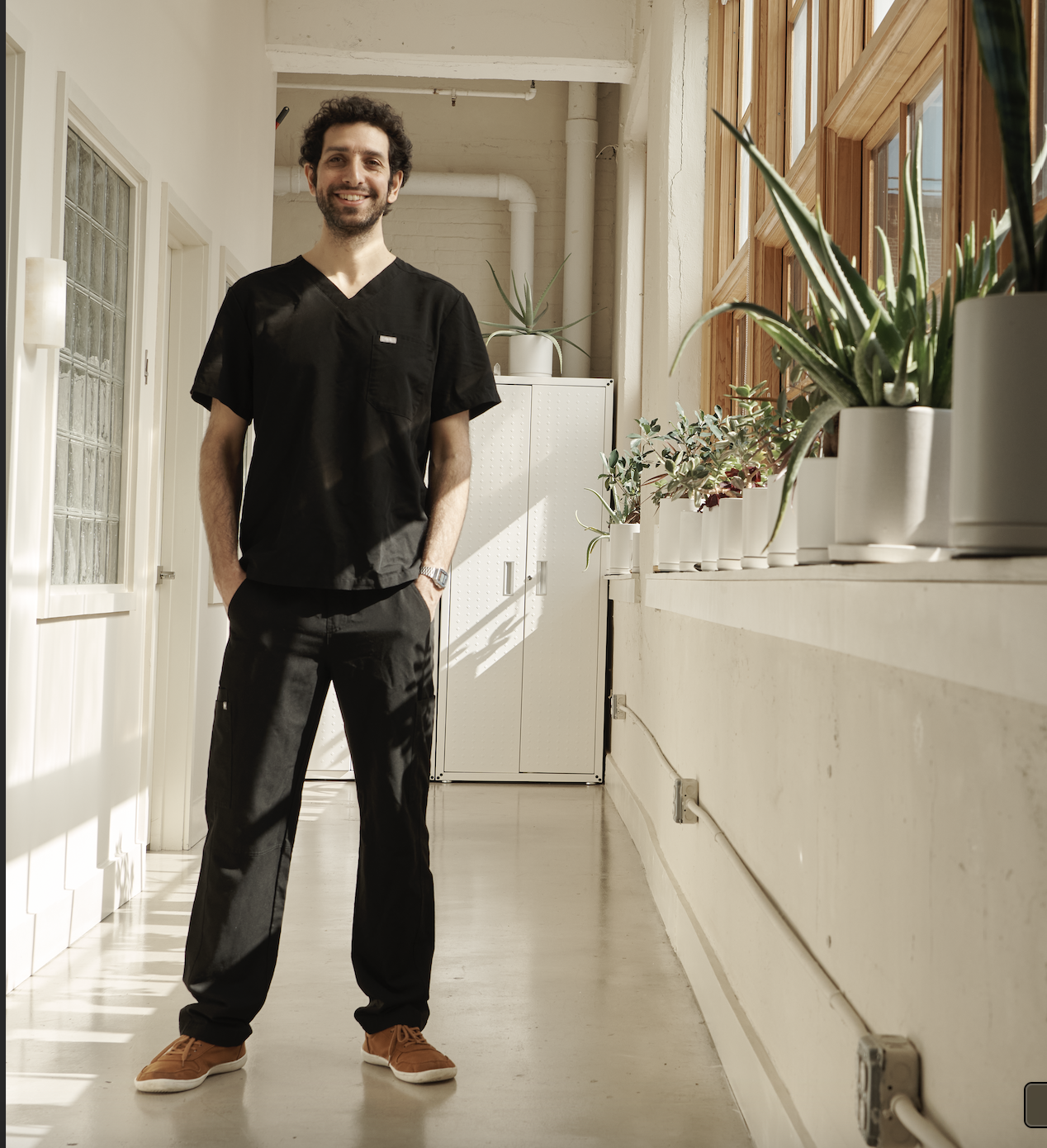
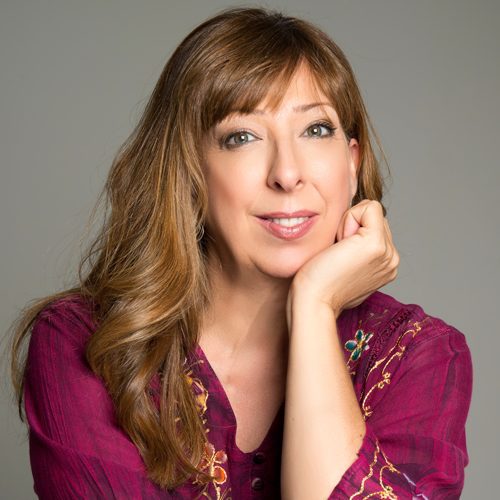
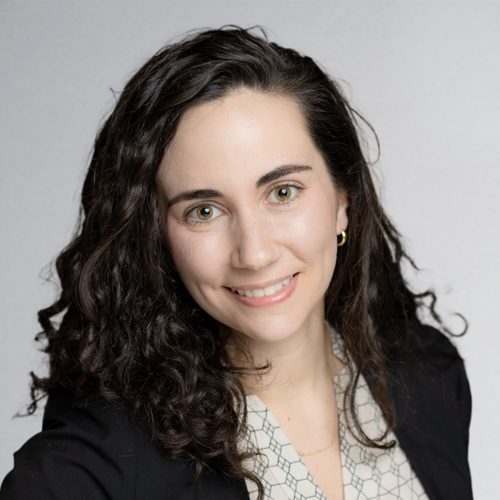
Professional photo of Kathy Edgett

I came to Sensory Awareness in 1993. I’d just returned from trekking in the Khumbu area of Nepal, and walked right into what I’d experienced there. I studied with Charlotte in Mexico, on Monhegan Island, and at Green Gulch. Wanting more ways to share, I became a Rosen Method bodywork practitioner as I immersed in a variety of somatic modalities including Essential Motion with Karen Roeper. When I went through chemotherapy and radiation in 2005 and 2006, Sensory Awareness saved me. I wrote about my experience in Breast Strokes.

Len Shemin

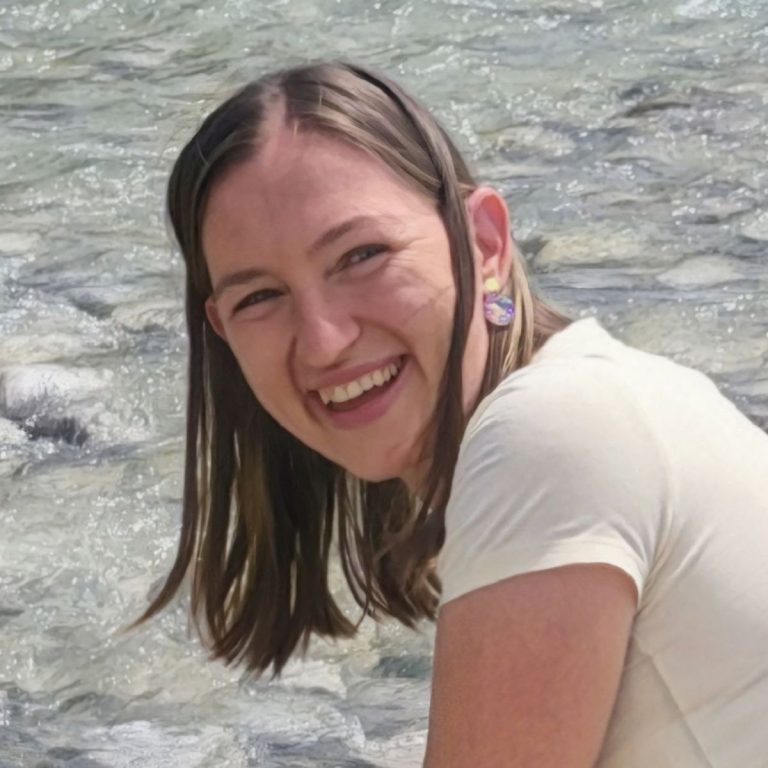
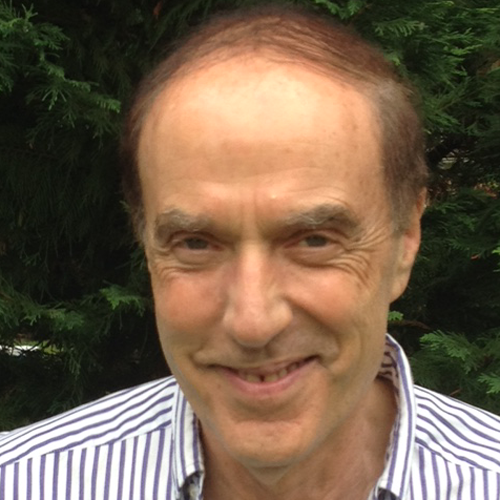
Portrait of smiling outdoors with trees and sky in the background

In 1969 I first experienced Sensory Awareness with Charlotte Selver and Charles Brooks at Esalen Institute. After ten years of foreign travel I reconnected with them and also began a lifelong practice of Tai Chi and Vipassana meditation while continuing studying with Charlotte until her death in 2003. Later I joined Lee Lesser’s Sensory Awareness leadership training for a decade. In recent years I’ve been exploring non dual teachings, investigating the interface between our separateness and our interconnectedness. Sensory Awareness is an important anchor for me in all these related practices.

Ephraim Williams

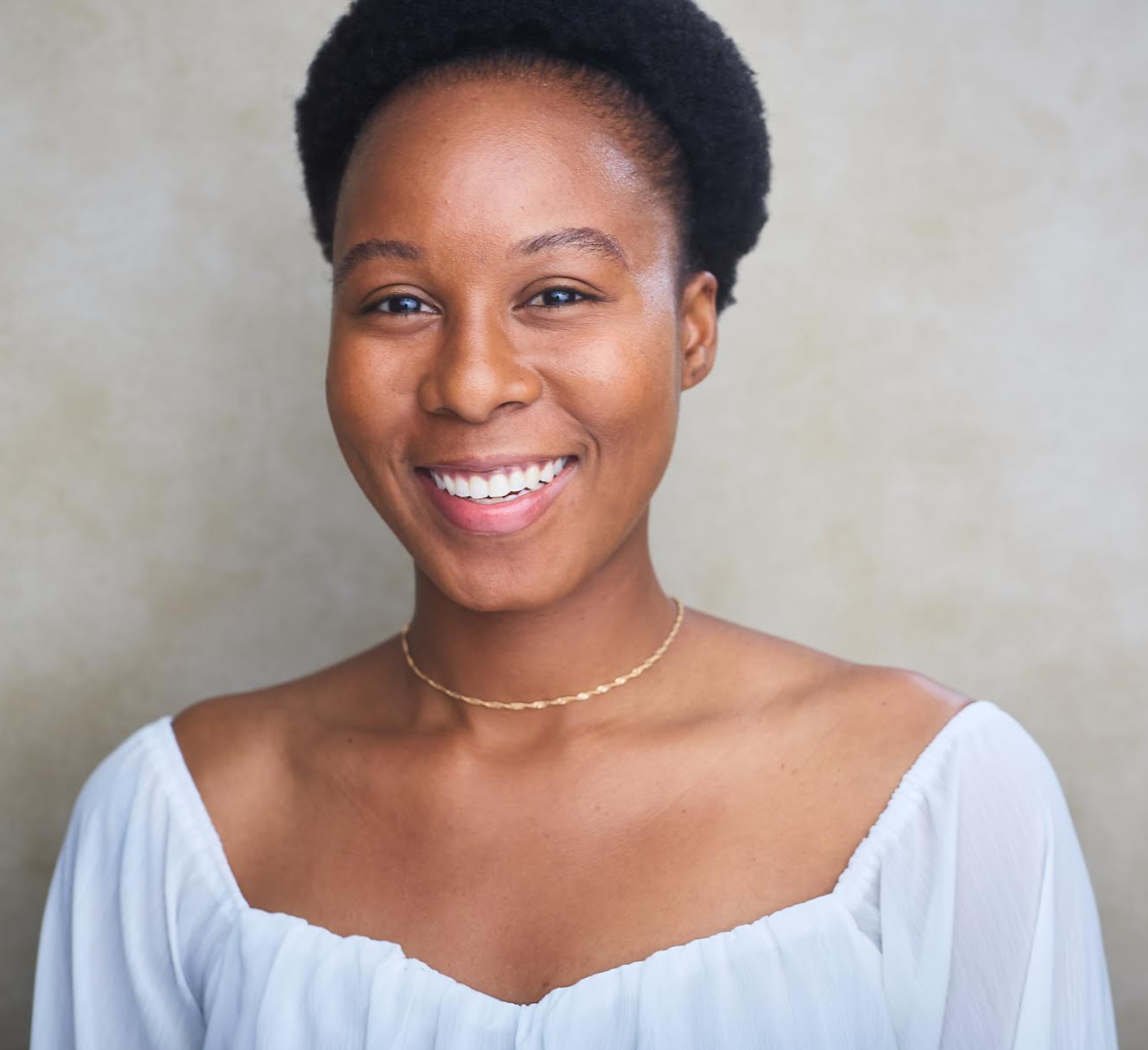
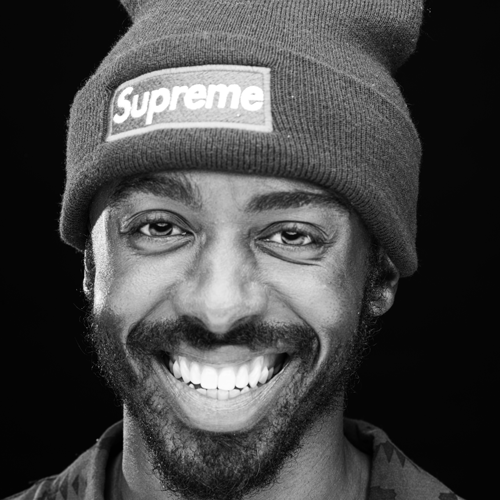
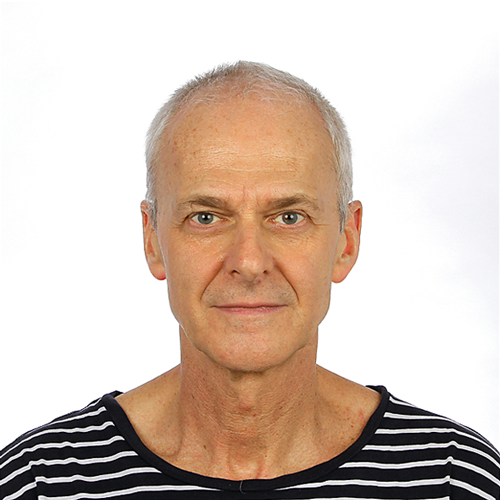
Ephraim Williams portrait photograph

Ephraim has been practicing Sensory Awareness since 2017. With over 15 years of dance training under his belt, Ephraim has studied several different methods of using the body and Sensory Awareness brings them all together. Movement is life, and sensing – he believes – is the best way to fall into a deeper union with the physical world around you. Ephraim strives to offer invitations that guide the sensor into a deeper curiosity about their experience, leaving silence and space to explore with themselves and the environment around them. Ephraim offers one on one sessions as well as group sessions via zoom and in-person.